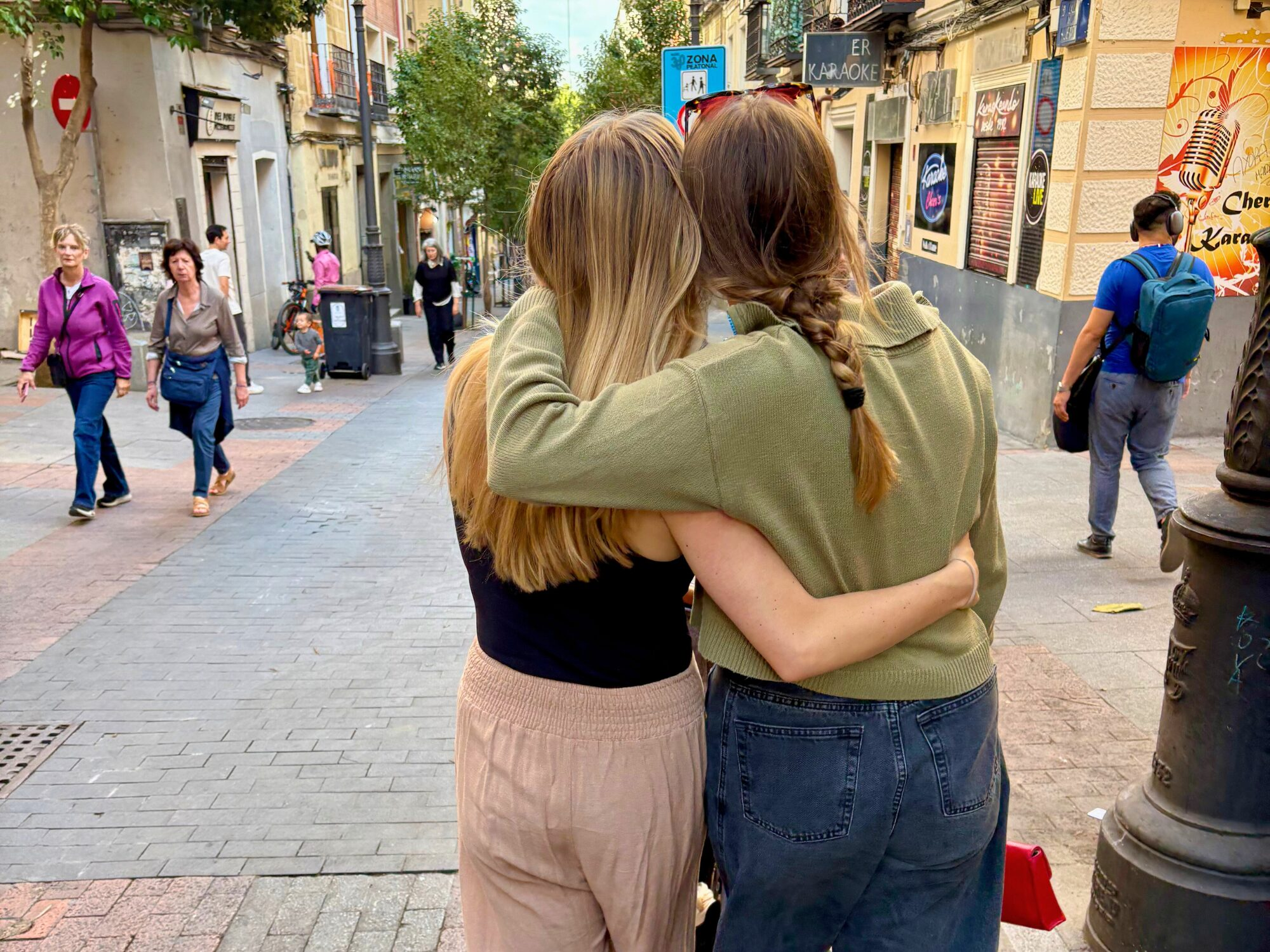
Moving abroad is usually portrayed as exciting, freeing, and full of possibility—and it is. But it can also be emotionally destabilizing in ways most people don’t talk about. Alongside the highs of expat life, there can be homesickness after moving abroad, second thoughts, and subtle identity changes that catch you off guard.
Homesickness doesn’t always look like crying on the phone or counting down the days until your next visit home. Sometimes it shows up quietly, delayed, woven into everyday moments.
This post isn’t a list of quick fixes or “10 tips to be happy abroad.” Instead, it’s an honest look at what homesickness after moving abroad can really feel like, what triggers it, and how it can coexist with a life abroad you still love.
Homesickness is More Than Missing Home
While moving abroad can feel like an extended vacation at first, the reality of daily life abroad and trying to figure out your new routine slowly sets in.
Everyone experiences homesickness differently after moving abroad. After relocating in 2024, I didn’t feel homesick at all until the following summer of 2025. When everything is new, exciting, and challenging, it’s easy to get wrapped up in the novelty. For many people, the emotional adjustment after moving countries doesn’t happen right away. It often comes weeks or even months later.
That homesick feeling didn’t hit me on the holidays like I expected. Instead, it showed up while I struggled to make a doctor’s appointment in Spanish, or when I left a social outing missing my friends back home. Even grocery shopping and not being able to find the chili powder I needed to cook a familiar meal hit harder than I anticipated.
Homesickness is more than missing home. It’s the feeling of your identity shifting, of becoming unsure who you are and where you fit anymore. It’s not necessarily about wanting to go back, but about not yet knowing how to fully exist in a new space moving forward.

Living Abroad Loneliness: Why It Hits Harder
Making friends as an adult is hard in general. When everyone is busy with their day-to-day lives and already has established friend groups, breaking into a new social circle can feel daunting. After moving overseas, it’s easy to accidentally slip into living abroad loneliness if you don’t actively put yourself out there.
With cultural barriers and feeling fatigued socializing in your second language, loneliness can feel much more intense abroad than at home. I’m not sure if other expats feel the same way, but for me, “being social” can actually make me feel lonelier. When I first moved abroad, trying to go out and meet new people or socialize in my second language just made my homesickness worse as I wished for a social life that filled my cup rather than drained it.
BUT… it’s only temporary.
If you stick it out through those first few months, or learn to ride the emotional waves when they hit, it really does get better. Making friends abroad is an investment. With time and effort, those relationships can become just as meaningful as the ones you left behind. It just rarely happens overnight.

Culture Shock Is Emotional
When people talk about culture shock, it’s often reduced to quirky or surprising differences in food, customs, or daily habits. In reality, culture shock can be deeply emotional.
One of the biggest culture shocks I experienced when moving to Spain was the bureaucracy. It’s easy to roll your eyes and accept it as part of living abroad, but it had real emotional consequences for me.
Dealing with bureaucracy meant visa appointments that didn’t go as planned and the constant fear that my dream of living abroad could be taken away at any moment. That kind of stress compounds homesickness quickly.
Even culture shocks that seem surface-level can lead to frustration, exhaustion, and expat burnout over time. It’s okay to have an emotional response to these moments without feeling like you’re overreacting. Adjusting to life changes as big as moving abroad was never going to be easy.
“Was This a Mistake?” Having Second Thoughts After Relocating Abroad
It’s hard to talk about homesickness without addressing the second thoughts that most expats experience after moving abroad. If someone tells you they never questioned their decision even once, I’d take that with a grain of salt.
In speaking with my friends abroad, I’ve found that regret cycles and “what if” thoughts are extremely normal. A bad day abroad can spiral quickly, especially when you’re far from home and don’t yet have a strong support system yet. But having those thoughts doesn’t automatically mean you made the wrong choice.
If, after living abroad long-term, you truly feel deep down that it’s not right for you, that’s worth evaluating. But if you generally love your life abroad and those thoughts only creep in occasionally, they’re simply part of the moving abroad reality, and not a sign of failure.
Missing Family While Living Abroad
I don’t think people talk about the guilt of living abroad enough. As the eldest daughter, chronic overthinker, and big-time people pleaser, this is a battle I fight daily.
Missing milestones like weddings, birthdays, and babies never gets easier. Even when you make visits back home, it never feels like enough, and it’s impossible to make up for lost time. But one thing I’ve personally realized is that I would way rather live an authentic life that makes me happy and deal with the downsides when they come rather than feel like I’m settling and never really pursued my own dreams out of fear of missing other people’s milestones.
In short – I’d rather deal with regret than resent.
From time zone issues to emotional distance and feeling disconnected at times, it’s not easy. But there are practical ways to stay connected without being glued to your phone.
While no solution can truly replace presence, here are some ways I cope with homesickness abroad:
- Sending packages/small unexpected gifts to loved ones back home
- Sending letters – snail mail feels fun, personal, and extra special
- Showing up for milestones in alternative ways. Find personal ways to connect with family and friends through FaceTime, contributing to honeymoon funds/baby showers, or calling into events.
And because we live in a modern society and phones are unavoidable… sharing Instagram posts and TikToks with loved ones actually helps. It’s an easy and small way to show that you’re thinking of them in your day-to-day moments.

How Long Does Homesickness Last Abroad? (The Truth)
Short answer? There is no fixed timeline for loneliness abroad. Rather than addressing it in fixed timelines, I prefer to look at it in these research-backed phases: honeymoon, frustration, adjustment, and integration.
During the honeymoon phase, everything feels new and exciting. Even grocery shopping is an adventure, and discovering your favorite neighborhood spots fills your free time. It can feel like an extended vacation—and it’s a phase worth enjoying fully.
Next comes frustration. You start to see the less glamorous sides of living abroad and realize that no place is perfect. You’re not escaping problems—you’re trading one set for another. This is often when second thoughts and regret surface, and it’s important not to make big decisions here.
Adjustment follows. This is when you stop feeling constantly surprised and start adapting. You know what to expect when booking appointments, your routine settles, and life feels more lived-in than temporary.
Finally comes integration. Some people reach this phase in months, others in years. Eventually, you begin to feel like part of the culture and community. For me, integration clicked when I started referring to Spain as “home,” rather than the U.S.
Even then, homesickness doesn’t disappear entirely. It just becomes something you’re better equipped to recognize and manage when it resurfaces.
Building a Life Abroad vs. Just Surviving Abroad
One of the biggest differences between thriving abroad and simply surviving is intention. Building a life abroad requires a mindset shift—from coping with change to actively creating a life that feels fulfilling.
I work fully remote, which means I have to be especially intentional about my routine. For me, that looks like workout classes I love, weekly adventures with my dog, and doing at least one thing each day that brings me joy—whether that’s trying a new coffee shop, taking a different walking route, meeting friends, or cooking a new Spanish recipe.
You also have to show up for new friendships in ways that might feel unfamiliar. Being proactive about making plans, following through, and communicating clearly is essential, especially in cross-cultural friendships. For me, community and friendships are what ultimately make living abroad feel like home.

Making Friends as an Expat
When you first move abroad, it can be hard to tell the difference between convenience-based friendships and long-term bonds. In reality, both serve a purpose.
Convenience-based friendships are a universal part of expat life. The first friends you make abroad might look very different from your friends back home, and that’s not a bad thing. People come in and out of your life for a reason, and sometimes they’re there to introduce you to a new community or perspective.
Many long-term friendships actually start this way. Some of my closest friends came from a simple Facebook post looking for people to join a trivia night. Now we celebrate holidays together, our partners are friends, and we’ve built a community that feels lasting.
If you’re looking to build deeper connections, focus on activities that align with your values and create repeated exposure—like an eight-week ceramics class, regular workout sessions, or volunteering for a cause you care about.
Finding your people takes time, but they’re out there. If you want more practical advice, you can check out my complete guide to making friends abroad.
When Living Abroad Changes You
One of the more unexpected realities of living abroad is feeling caught between versions of yourself. The people you meet abroad don’t know the “old” you, and friends and family back home don’t fully understand the “new” you.
But having your heart in two places can be freeing at the same time. It’s a privilege to have a deep love for two places you call home, and to expand your worldview and develop unique perspectives that you’d never have if not for living abroad.
Moving abroad inevitably changes you, but not in a negative way. It shapes you into a more experienced, adaptable, and open-minded version of yourself—whether or not everyone else understands.
Final Thoughts: Homesickness Doesn’t Mean You Failed at Living Abroad
Homesickness isn’t a verdict on your decision to move abroad: it’s a signal. Take it as a sign that you’re adjusting, growing, and building a new version of life in an unfamiliar place.
Instead of making panic decisions in the middle of discomfort, give yourself space to reflect. Ask yourself what’s working, what’s not, and what might simply take time.
If you’re living abroad and navigating homesickness, you’re not alone. I’d love to hear your experience—feel free to share in the comments or connect with others who are figuring it out too.
Check out other posts you might be interested in: